Rotator cuff injuries are one of the most common causes of shoulder pain, ranging from tendon irritation and partial tears through to full thickness tears. The encouraging news is that many are managed very well without surgery. A structured, progressive loading program restores strength and function for a large number of people. At our Melbourne CBD clinic we diagnose exactly which part of the cuff is involved and build a clear, criteria based plan to return you to what you love.
Frequently Asked Questions
The rotator cuff is a group of four muscles and their tendons that stabilise and move the shoulder. Injuries range from tendon irritation, known as tendinopathy, and partial tears, often from a gradual rise in load or age related change, through to full thickness tears from a fall or traumatic injury. Typical symptoms include pain with overhead and reaching activities, weakness, and pain at night. Importantly, the changes seen on a scan do not always match a person’s symptoms, which is why a careful clinical assessment matters.
Frequently Asked Questions
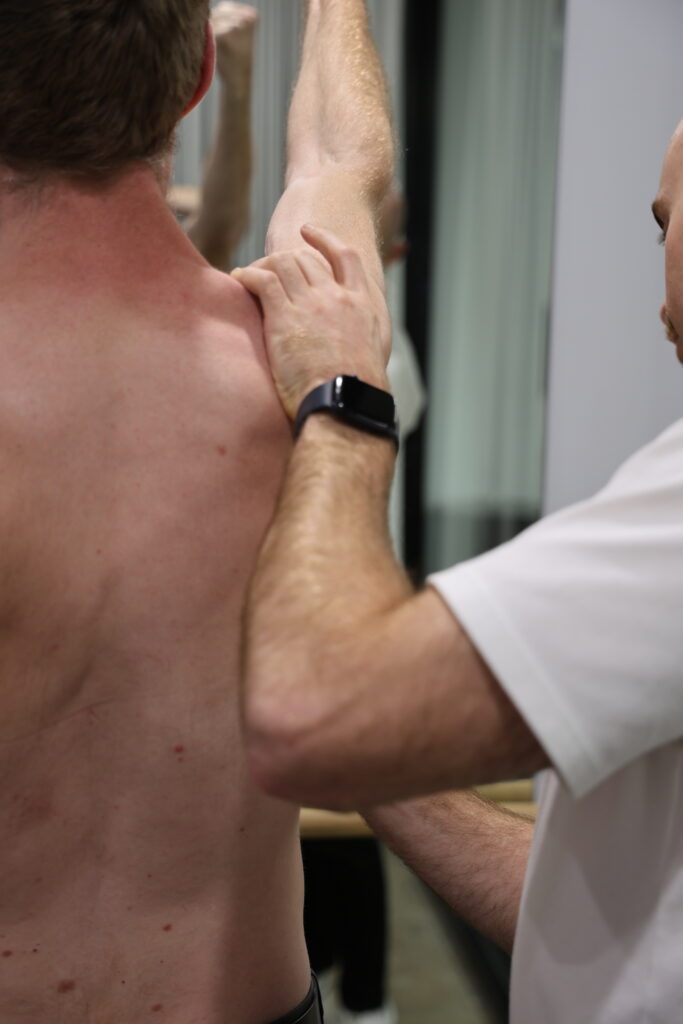
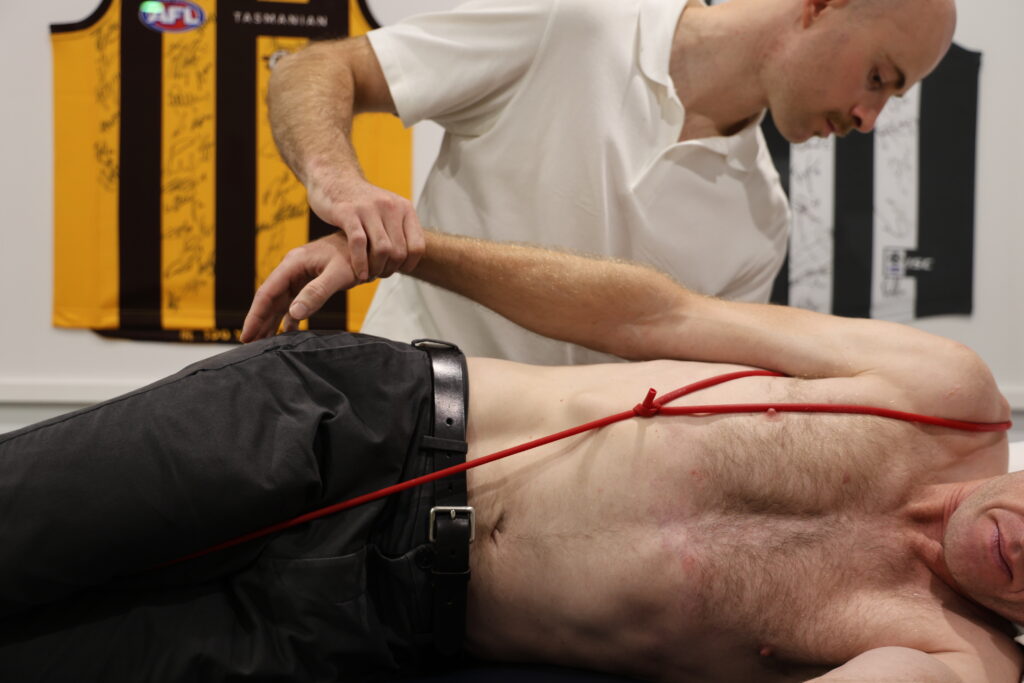
We begin with a comprehensive subjective and objective physical assessment, drawing on our expertise in shoulder injuries to firstly correctly diagnose which part of the cuff is involved. We then utilise our state of the art facility, encompassing Keiser pneumatic equipment, Kineo intelligent load machines and VALD technology, to measure your strength and control and to guide exactly how we manage and treat the condition. Progressive loading of the rotator cuff and the whole shoulder is the foundation of recovery, paired with hands on manual therapy, clear education and a graded return to your sport or work, finishing with objective testing to confirm you are ready. Where a tear is large or not responding to rehabilitation, surgical repair is performed by experienced orthopaedic upper limb surgeons such as Mr Simon Lau, and we lead your rehabilitation before and after surgery.
Your rotator cuff rehabilitation is managed by physiotherapists with genuine expertise in shoulder injuries:
Jake is experienced in shoulder and upper limb injuries across both everyday patients and elite sport. His rehabilitation is grounded in current evidence and objective strength testing.
Adrianna is an APA Titled Sports and Exercise Physiotherapist experienced in shoulder and upper limb rehabilitation, grounded in current evidence and objective strength testing.
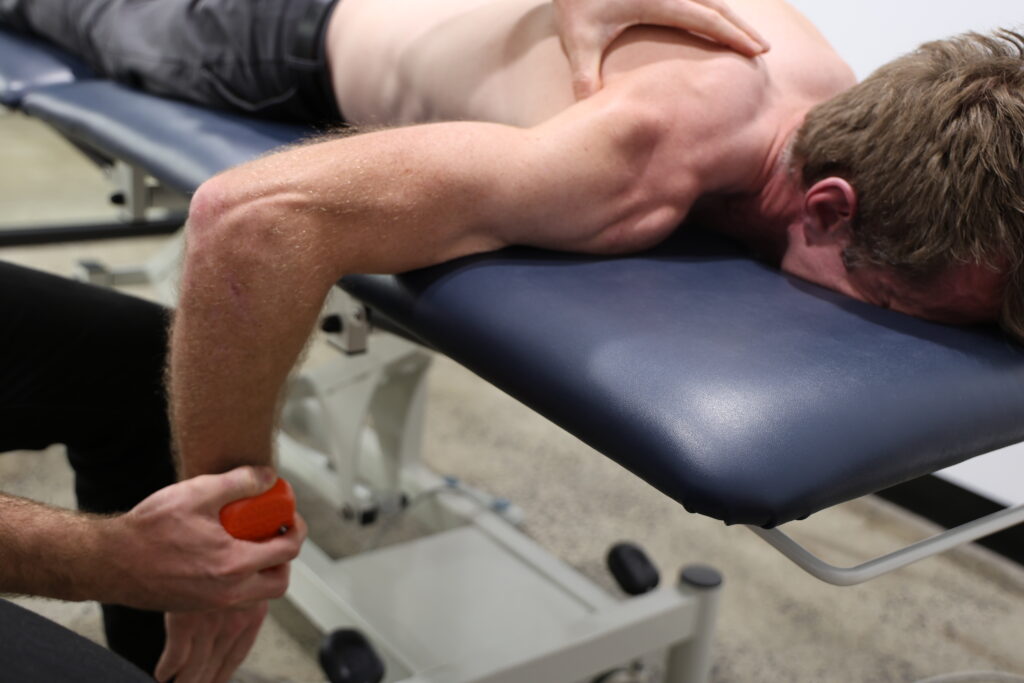
Our team look forward to working with you to help achieve your goals
Not always. A careful clinical assessment is often enough to diagnose and begin treating a rotator cuff injury, as scan findings do not always match symptoms. Where imaging is helpful, we can arrange it through our on site sports and exercise medicine doctors.
Recovery varies with the type and severity of the injury. Many people make meaningful progress over a number of weeks to a few months with a consistent loading program. We use objective strength testing to track your progress and confirm when you are ready to return to full activity.
Not always. A careful clinical assessment is often enough to diagnose and begin treating a rotator cuff injury, as scan findings do not always match symptoms. Where imaging is helpful, we can arrange it through our on site sports and exercise medicine doctors.
No. You can book directly with our physiotherapists without a doctor’s referral. If imaging or a medical review is needed, we can arrange this with our on site sports and exercise medicine doctors.