Pelvic health physiotherapy addresses a range of conditions affecting the pelvic floor and its role in bladder and bowel function, sexual health and support of the pelvic organs. Pelvic floor dysfunction can present in various ways, including urinary or bowel incontinence, urgency, pelvic pain, discomfort during intercourse, or pelvic organ prolapse. With the right assessment and management, many pelvic health concerns can be effectively treated. Our physiotherapists take an individualised, evidence-based approach to understanding your symptoms, identifying contributing factors and developing a treatment plan tailored to your needs and goals.
Frequently Asked Questions
At Melbourne CBD Physiotherapy and Sports Medicine, our women’s health physiotherapy service is led by Holly Pointon — a highly qualified physiotherapist with a special focus on pelvic health and female athlete wellbeing. Holly is currently extending her expertise by studying a Masters in Physiotherapy (Pelvic Health), ensuring her practice is grounded in the most current evidence and specialised training available in this field.
We take a holistic, evidence-based approach to women’s health, supporting patients through every stage of life — from pregnancy and the postnatal period through to managing long-term pelvic floor conditions and supporting women through perimenopause and beyond.

At Melbourne CBD Physiotherapy and Sports Medicine Clinc, we combine specialised pelvic health care with our broader expertise in sports and musculoskeletal physiotherapy. We understand that pelvic floor function is closely connected to the way the entire body moves, responds to load and performs during physical activity.
Our state-of-the-art facilities and extensive strength and conditioning equipment allow us to take your rehabilitation beyond the treatment room. Where appropriate, we can progressively integrate whole-body strength training, functional movement and objective strength testing into your rehabilitation, helping bridge the gap between pelvic floor treatment and a return to high level physical activity.
Whether your goal is to manage symptoms during daily life, return to running after pregnancy, lift weights without discomfort or get back to competitive sport, we tailor your rehabilitation to your individual needs and goals. Our approach combines evidence-based pelvic health physiotherapy with a focus on building strength, capacity and confidence for the activities you love.
Frequently Asked Questions
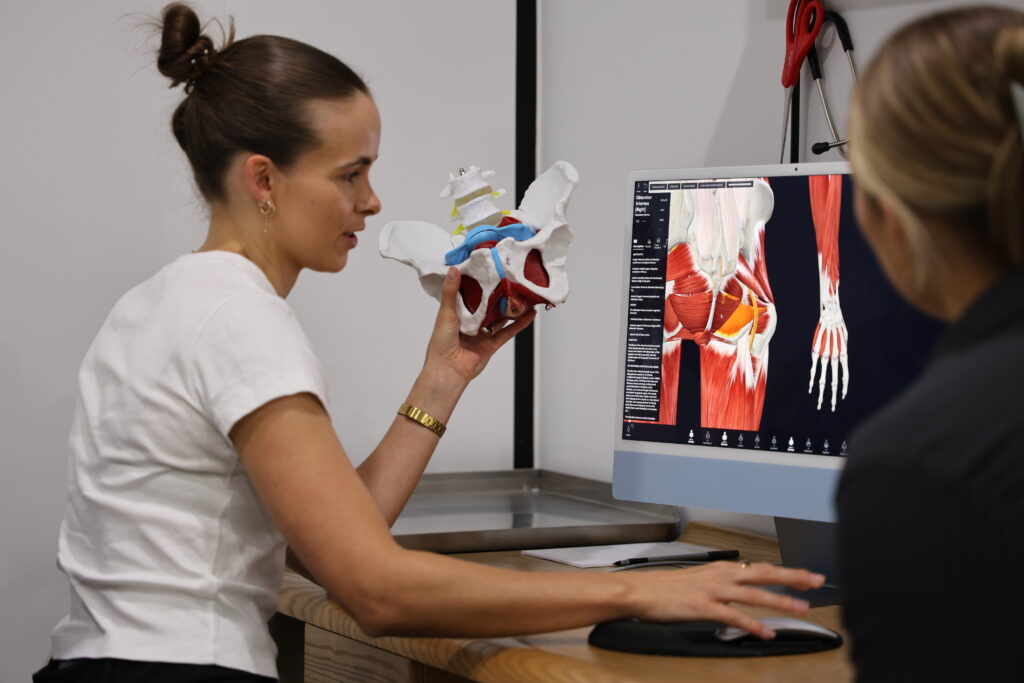
Pelvic health physiotherapy aims to address your symptoms, improve pelvic floor function and help you return to the activities that matter most to you. At Melbourne CBD Physiotherapy and Sports Medicine Clinic, we take a holistic, individualised approach to care, considering how the pelvic floor works in conjunction with the rest of the body. Your initial consultation involves a comprehensive assessment of your symptoms, medical history, movement patterns and personal goals to identify contributing factors and guide your treatment.
Because we operate as a truly multidisciplinary clinic, your women’s health physiotherapy integrates seamlessly with our sports medicine, strength and conditioning, and dietitian services. That means we can support the whole person, not just the presenting complaint. For female athletes in particular, pelvic floor health, RED-S risk, training load and nutritional needs can all be addressed under one roof.
Our goal is to help you build confidence in your body, improve your physical capacity and return to exercise, sport and everyday activities with the strength and function to meet your individual goals.
We understand that women’s health conditions can feel deeply personal and sometimes difficult to discuss. Our team creates a safe, respectful, and non-judgmental environment where you feel heard and supported.
Holly Pointon is a Physiotherapist whose clinical work is shaped by a genuine passion for supporting female athletes and women navigating pelvic health challenges. Currently studying a Masters in Physiotherapy (Pelvic Health), Holly works closely with runners from Femmi — a leading female running group — both in the clinic and through external education sessions, helping women understand strength training, reduce the risk of overtraining and RED-S, and build long-term resilience in their training.
With additional qualifications in Strength and Conditioning and Clinical Pilates, Holly combines hands-on therapy with tailored rehabilitation. She holds a Doctor of Physiotherapy from The University of Melbourne and a Bachelor of Exercise and Sport Science from Deakin University.
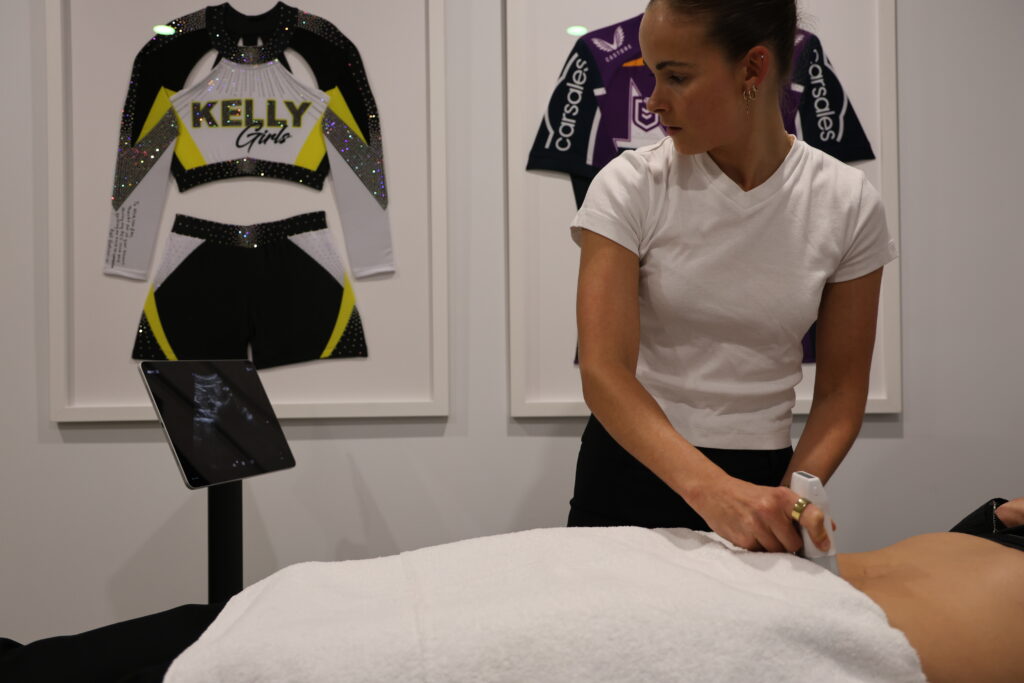
Our team look forward to working with you to help achieve your goals
Absolutely not. While postnatal rehabilitation is a key area of women’s health physiotherapy, the service is relevant for women at all life stages — from athletes optimising their pelvic floor function to women navigating perimenopause and beyond.
No referral is needed to book an appointment with our women’s health physiotherapist at Melbourne CBD Physio. You can book directly through our website or by calling the clinic.
Absolutely not. While postnatal rehabilitation is a key area of women’s health physiotherapy, the service is relevant for women at all life stages — from athletes optimising their pelvic floor function to women navigating perimenopause and beyond.
At your first appointment, Holly will take a thorough history of your symptoms, health background, and goals. She will explain what the assessment involves and always seek your informed consent before any examination. Treatment begins from the first session, and you will leave with a clear understanding of your condition and a plan moving forward.