An acromioclavicular, or AC, joint injury is a common shoulder injury, usually caused by a fall onto the point of the shoulder. It is frequently seen in cycling, football and other contact sports. The majority of AC joint injuries are managed very well without surgery through a structured rehabilitation program. At our Melbourne CBD clinic we confirm the grade of the injury and build a clear plan to return you to sport and daily life with confidence.
Frequently Asked Questions
The AC joint sits at the top of the shoulder, where the collarbone meets the highest point of the shoulder blade. A sprain or separation of this joint, graded from mild through to severe, usually follows a direct fall onto the point of the shoulder. Symptoms include pain and tenderness at the top of the shoulder, sometimes with a visible step or bump, along with pain when reaching across the body or lifting overhead.
Frequently Asked Questions
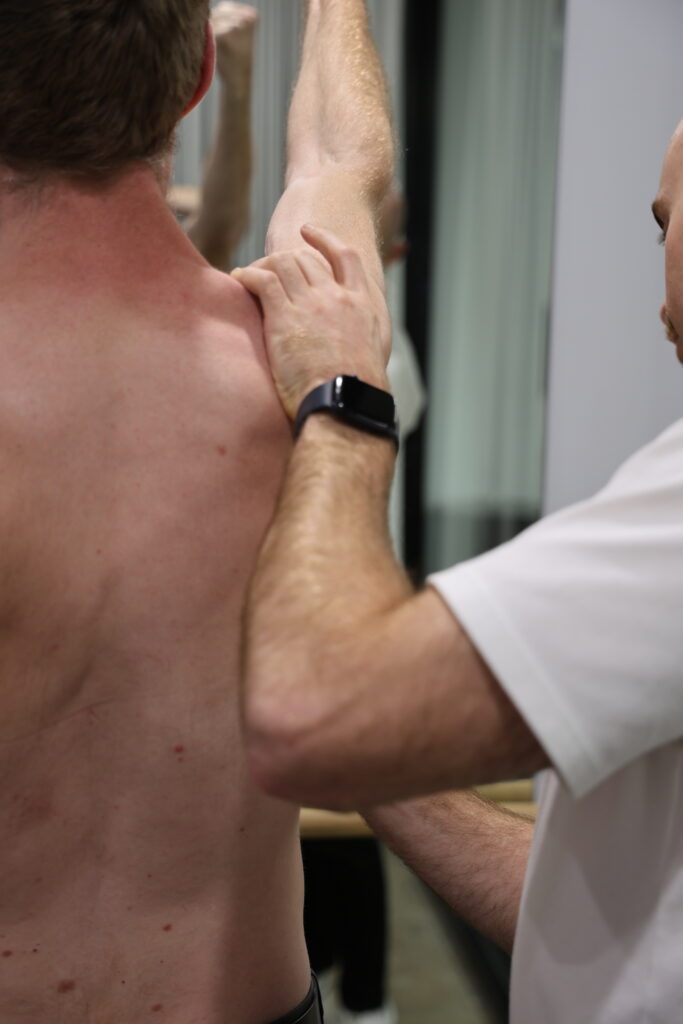
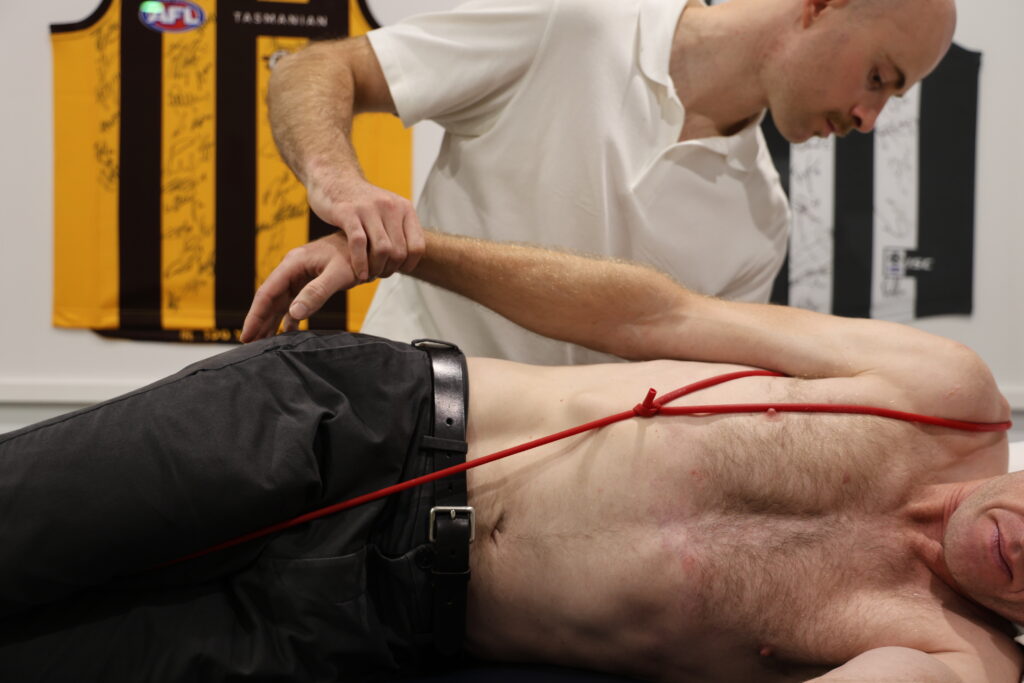
We begin with a comprehensive subjective and objective physical assessment to confirm the grade of your AC joint injury, as this guides the plan. Most injuries respond very well to a structured program of progressive loading and shoulder blade control, supported by our Keiser, Kineo and VALD equipment, hands on manual therapy and a graded return to lifting and contact sport, finishing with objective testing to confirm you are ready. In the small number of higher grade injuries that require surgery, this is performed by experienced orthopaedic upper limb surgeons such as Mr Simon Lau, and we lead your rehabilitation throughout.
Your AC joint rehabilitation is managed by physiotherapists with genuine expertise in shoulder injuries:
Jake is experienced in shoulder and upper limb injuries across both everyday patients and elite sport. His rehabilitation is grounded in current evidence and objective strength testing.
Adrianna is an APA Titled Sports and Exercise Physiotherapist experienced in shoulder and upper limb rehabilitation, grounded in current evidence and objective strength testing.
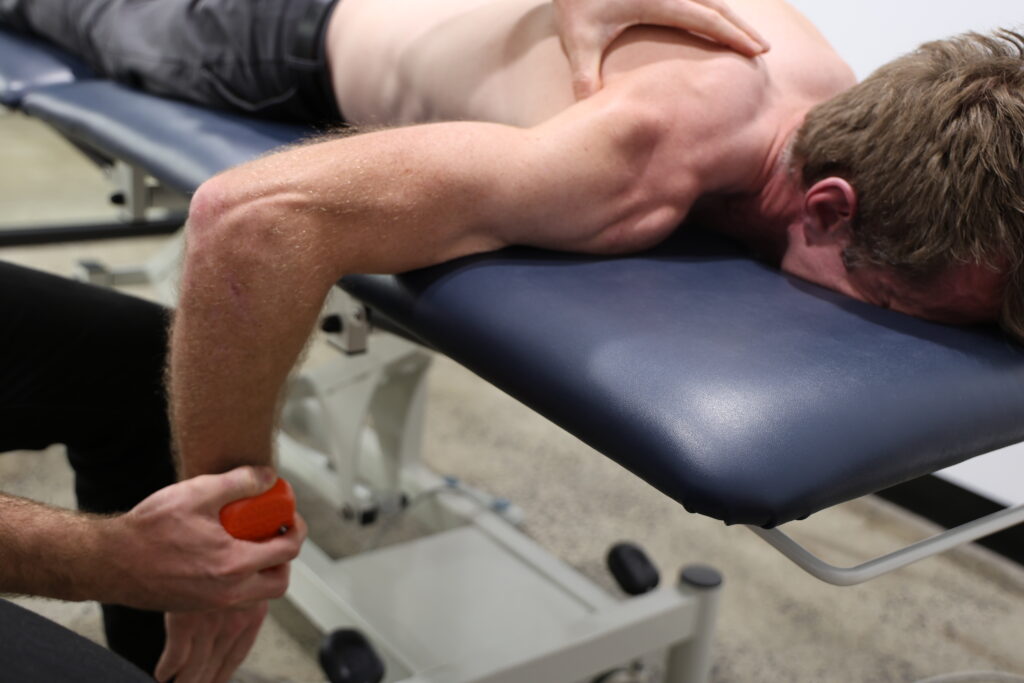
Our team look forward to working with you to help achieve your goals
Some higher grade AC joint injuries leave a visible step or bump at the top of the shoulder. This is usually cosmetic and does not prevent a full return to strength and function with appropriate rehabilitation.
This depends on the grade of the injury and the demands of your sport. Milder injuries may settle within a few weeks, while higher grade injuries take longer. We use objective strength and control testing to confirm you are genuinely ready before returning to contact.
Some higher grade AC joint injuries leave a visible step or bump at the top of the shoulder. This is usually cosmetic and does not prevent a full return to strength and function with appropriate rehabilitation.
No. You can book directly with our physiotherapists without a doctor’s referral. If imaging or a medical review is needed, we can arrange this with our on site sports and exercise medicine doctors.