A bone fracture is a break in the continuity of a bone, most often caused by a single traumatic event — a fall, direct blow, awkward landing or high-speed collision where the force involved is enough to break the bone. Fractures range from simple, undisplaced cracks to complex, multi-fragmented injuries that need surgical fixation. While emergency departments handle the initial acute management, the care that follows — refining the diagnosis, planning return to sport and coordinating rehabilitation — benefits significantly from specialist sports medicine oversight.
Frequently Asked Questions
A bone fracture usually announces itself with sudden, severe pain at the moment of injury, followed by swelling, bruising and visible deformity around the affected area. Most people find they can no longer weight-bear, grip or use the limb normally, and there is typically point tenderness directly over the bone. Alongside this, a loss of function, strength or range of motion is common until the injury is properly assessed and managed.
Fractures most often result from direct trauma — tackles, collisions, falls and road accidents — or from indirect loading through twisting, landing or pivoting injuries. Several factors can also make a bone more likely to break, including reduced bone mineral density or osteoporosis, nutritional factors such as low vitamin D, calcium or overall energy availability, and having previously fractured the same site.
No, but a referral from your GP entitles you to a Medicare rebate and enables us to request imaging and specialist follow-up more efficiently.
Frequently Asked Questions
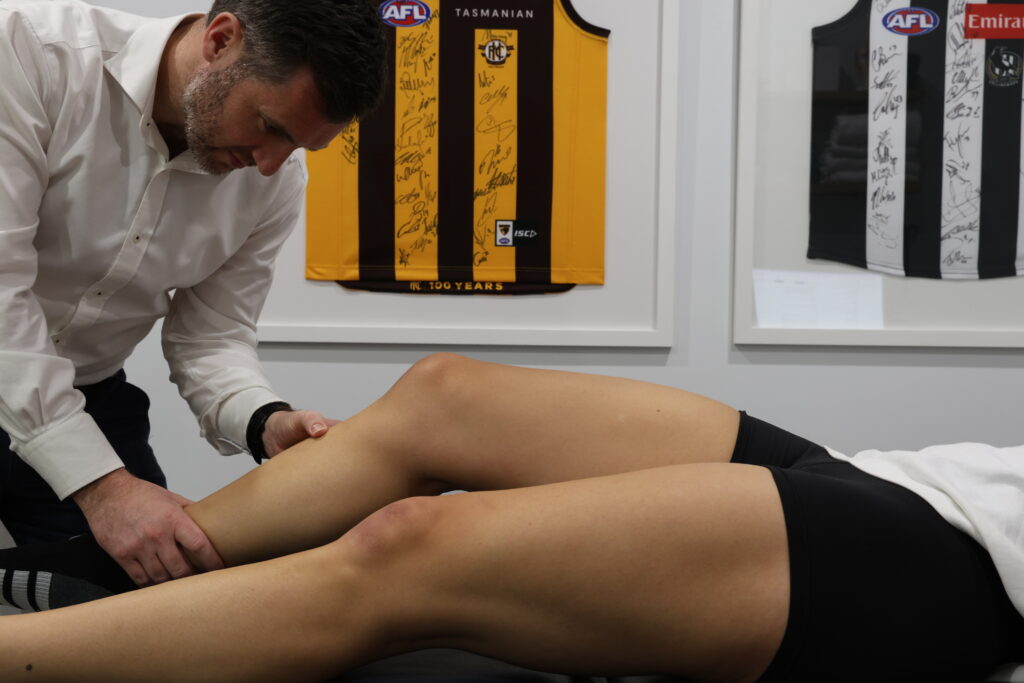
Our Sports Doctors take a detailed history of the injury — the mechanism and the forces involved, where the pain is, and what has been done so far (including any emergency department visit, previous imaging and the pain relief used). Some signs point toward a fracture rather than, say, a ligament injury: bruising and swelling, and a reluctance or inability to load the injured area — difficulty walking with a leg injury, or difficulty pushing up out of a chair with an arm injury.
This builds a level of clinical suspicion that guides the examination, which typically shows reluctance to load the area, point tenderness directly over the bone, and any loss of normal alignment that can indicate the fracture is displaced. The right investigation then depends on the site: a simple X-ray often gives enough information to plan management, while MRI or CT may be used for subtle or complex fractures. Some injuries — such as certain finger fractures — can be diagnosed clinically and may not need imaging at all.
Our team look forward to working with you to help achieve your goals
Not necessarily. Many fractures heal well with appropriate immobilisation and rehabilitation alone. Surgery is typically reserved for displaced, unstable, intra-articular or high-risk fractures.
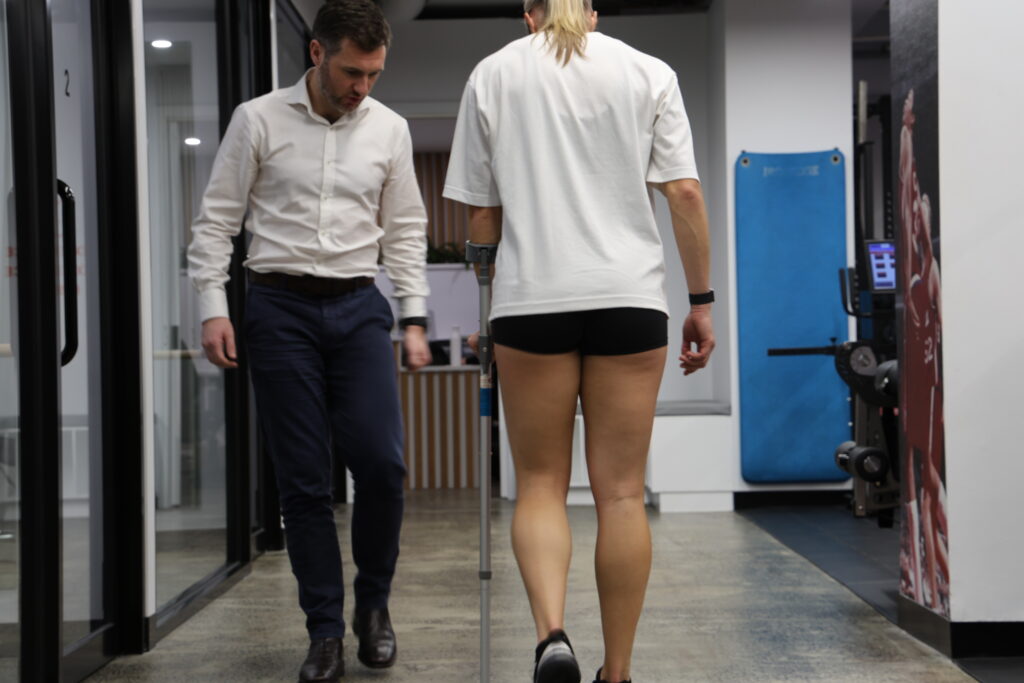
Healing is managed individually rather than to a fixed timetable. Dr West progresses your loading as your symptoms settle and your weight-bearing ability improves, because bone needs appropriate load at each stage of healing. Return to full sport generally takes longer than day-to-day recovery and depends on the bone involved and whether surgery was required.
Not necessarily. Many fractures heal well with appropriate immobilisation and rehabilitation alone. Surgery is typically reserved for displaced, unstable, intra-articular or high-risk fractures.
No, but a referral from your GP entitles you to a Medicare rebate and enables us to request imaging and specialist follow-up more efficiently.