

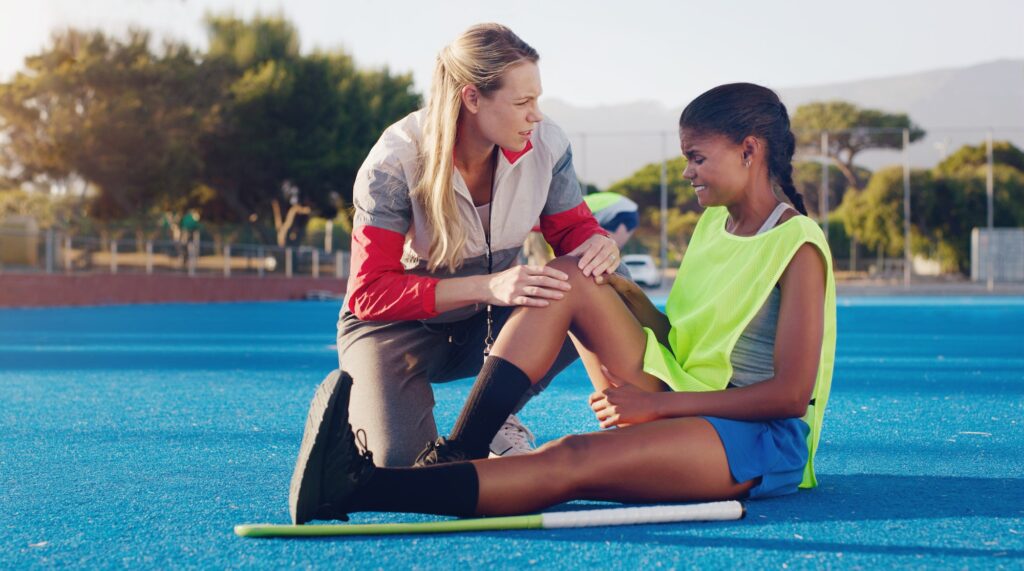
MCL (medial collateral ligament) and LCL (lateral collateral ligament) injuries are common knee ligament sprains we treat at our Melbourne CBD clinic. They typically occur from contact sports, falls, or sudden changes of direction, and range from mild sprains to complete ligament tears.
Our clinic is led by Dr. Tim Sayer, a physiotherapist with a PhD in knee injury and a strong background treating ligament injuries in elite and recreational athletes. His research-driven approach ensures you receive the most effective evidence-based rehabilitation available.
Frequently Asked Questions
The medial collateral ligament (MCL) runs along the inner side of the knee, connecting the femur to the tibia. The lateral collateral ligament (LCL) runs along the outer side of the knee, connecting the femur to the fibula. Both ligaments provide side-to-side stability.
Ligament sprains are graded by severity:
Common causes include:
Frequently Asked Questions
Most MCL injuries — including complete tears — heal well without surgery with appropriate rehabilitation. LCL injuries are less common and more complex; severe Grade III LCL tears may require surgical assessment.
At Melbourne CBD Physiotherapy & Sports Medicine, our treatment approach includes:
Dr. Tim Sayer is Co-Director of Melbourne CBD Physiotherapy & Sports Medicine. He holds a Doctor of Physiotherapy (DPT) and a PhD with a specific research focus on knee injury. He is an Honorary Senior Research Fellow at the University of Melbourne and a member of Team ACL — Australia’s leading ACL and knee ligament research consortium.
Tim has worked as sports physiotherapist with Melbourne Storm and regularly treats knee ligament injuries in elite and recreational athletes. His clinical expertise and research background ensure your rehabilitation is evidence-based and outcome-focused.
Our team look forward to working with you to help achieve your goals
Most people with Grade I and II MCL injuries can walk with some discomfort. Grade III tears may cause significant instability and may require crutches in the early phase. Your physiotherapist will advise on appropriate mobility.
Grade I MCL sprains typically recover in 2–4 weeks. Grade II tears take 4–8 weeks. Grade III tears may take 8–12 weeks or longer depending on rehabilitation compliance and return-to-sport requirements.
Most people with Grade I and II MCL injuries can walk with some discomfort. Grade III tears may cause significant instability and may require crutches in the early phase. Your physiotherapist will advise on appropriate mobility.
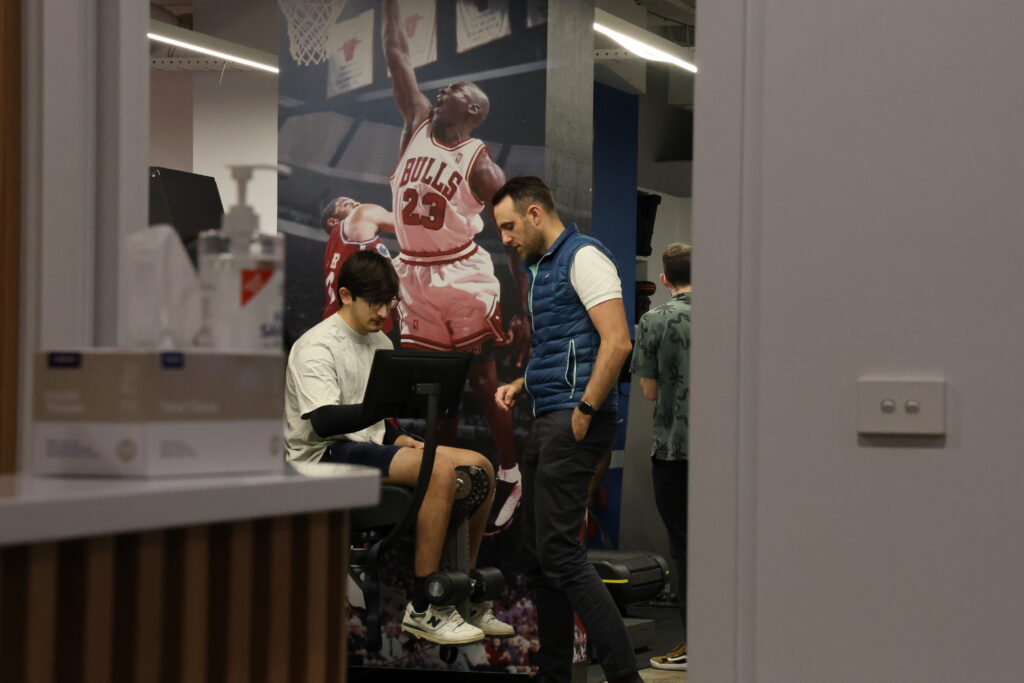
Return to sport depends on injury grade and sport demands. Isokinetic strength testing at our clinic provides objective clearance criteria. Most athletes return within 6–12 weeks for Grade I-II injuries, and 12+ weeks for Grade III injuries.












Our Knee Clinic Melbourne CBD provides specialist physiotherapy for MCL and LCL ligament injuries and a broad range of knee conditions. Led by Tim Sayer, Director and Senior Physiotherapist, the clinic offers expert assessment and structured rehabilitation for knee ligament sprains — from first-line management through to return-to-sport testing.