Nail fungus (onychomycosis) is a common condition affecting the toenails and can progressively change the nail’s appearance and structure. At Melbourne CBD Physiotherapy & Sports Medicine Clinic, we provide effective nail fungus treatment in Melbourne, with podiatrist Tania Vascon delivering precise, evidence-based care to resolve infection and support healthy nail regrowth.
Frequently Asked Questions
Nail fungus is an infection caused by dermatophytes, yeasts or moulds that invade the nail plate or nail bed. It typically develops gradually, leading to visible changes in the nail’s colour, thickness and texture, and can affect one or multiple toes. Early assessment helps identify the type and severity so treatment can be tailored appropriately.
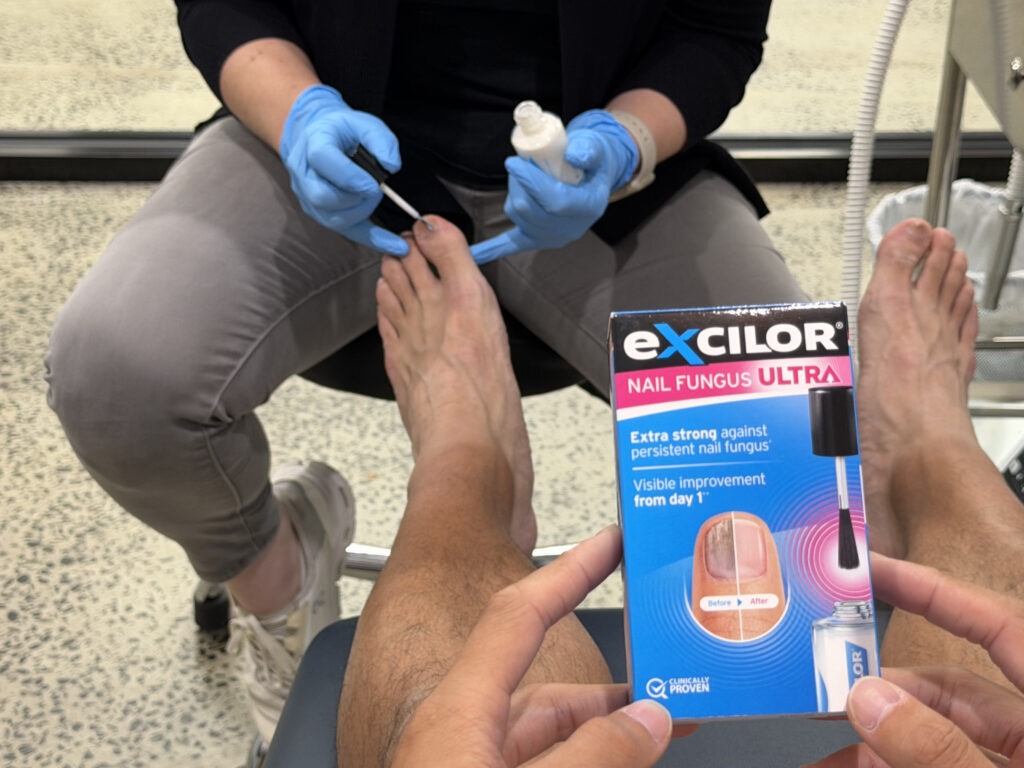
People with nail fungus may experience:
Discolouration, often yellow, white or brown
Thickened or distorted nail shape
Brittleness or crumbling at the edges
Lifting of the nail from the nail bed
Discomfort when wearing shoes
Scaling or irritation of the surrounding skin
Symptoms differ depending on the fungal organism and how long the infection has been present.
Frequently Asked Questions
Fungus thrives in warm, moist environments and can enter the nail through small openings or minor trauma. Contributing factors include prolonged use of enclosed footwear, damp socks, walking barefoot in shared facilities, reduced circulation, immune changes, tight shoes and existing skin infections such as athlete’s foot. If untreated, the infection can gradually involve additional nails or spread to others in the household.
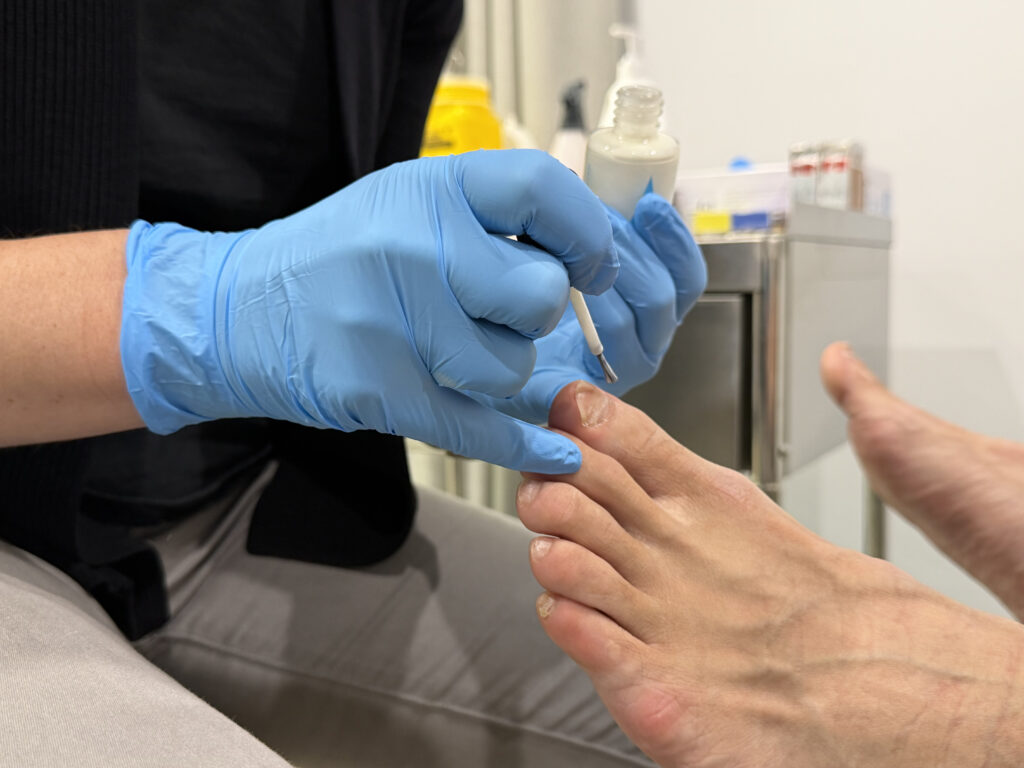
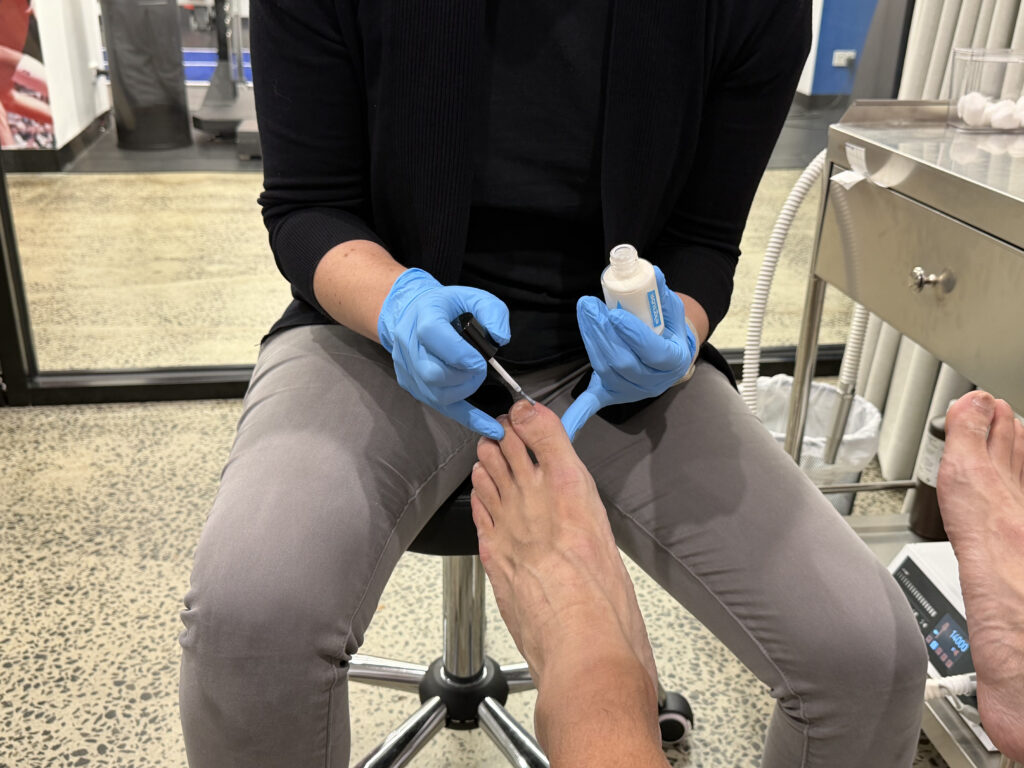
At Melbourne CBD Physiotherapy & Sports Medicine Clinic, treatment is tailored to the severity and type of infection, with the goal of restoring nail appearance and preventing recurrence. Podiatrist Tania Vascon begins with a comprehensive assessment, using laboratory testing when needed, before performing precise mechanical debridement to reduce nail thickness and remove affected tissue. She then prescribes targeted antifungal therapy—topical or oral when appropriate and coordinated with your GP—alongside adjunct measures such as sprays or shoe sanitisers. Management also includes addressing skin involvement, improving drying and footwear habits, and implementing prevention strategies. When cases require additional medical oversight, our Sports Doctor supports diagnosis and medication decisions, with regular reviews ensuring healthy nail regrowth over time.
Our team look forward to working with you to help achieve your goals
Yes. Fungal organisms can spread through shared surfaces such as showers, gym floors, swimming areas and even through footwear or socks. This is why treatment includes hygiene advice, skin management and prevention strategies to reduce reinfection. Addressing athlete’s foot or moisture-related skin issues at the same time is also important to prevent the fungus from re-entering the nail.
While topical treatments can help mild infections, debridement is often essential for more established cases. By reducing nail thickness and removing compromised tissue, debridement allows antifungal medication to reach the affected area more effectively and improves comfort in footwear. Many patients achieve significantly better outcomes when debridement is combined with the right antifungal therapy.
Yes. Fungal organisms can spread through shared surfaces such as showers, gym floors, swimming areas and even through footwear or socks. This is why treatment includes hygiene advice, skin management and prevention strategies to reduce reinfection. Addressing athlete’s foot or moisture-related skin issues at the same time is also important to prevent the fungus from re-entering the nail.
Over-the-counter products may help in very mild or early infections, but they are less effective when the nail is thick, lifted or extensively discoloured. In these cases, professional debridement and targeted antifungal therapy greatly improve outcomes. Your podiatrist can determine whether pharmacy treatments are sufficient or whether a more structured, evidence-based approach is needed.