Hamstring Injury Melbourne CBD

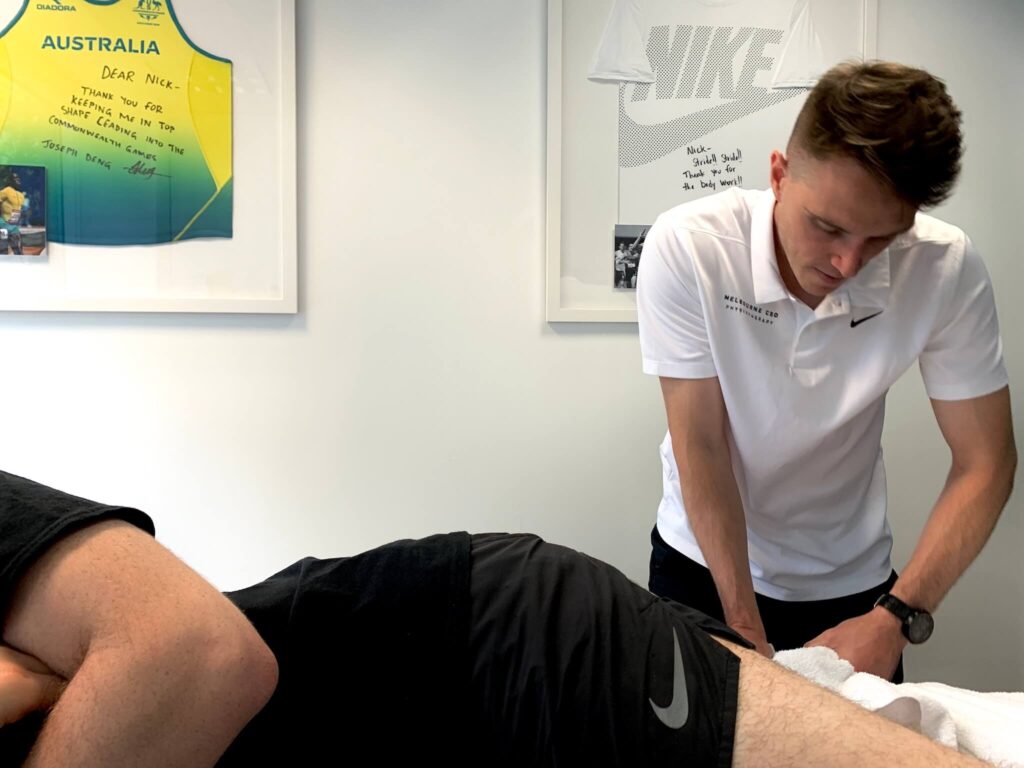
Nick Cross brings particular expertise in hamstring injuries and is trusted by Olympic and world champion track and field athletes and elite footballers to rebuild hamstring strength and return them to top speed.

Hamstring Injury Melbourne CBD

Hamstring injuries are among the most common injuries in sprinting, running and kicking sports, and they have a high rate of recurrence when the return to running is rushed. Getting the diagnosis, the loading and the return to sprinting right is the difference between a clean recovery and a frustrating, repeated problem. At our Melbourne CBD clinic we accurately diagnose the injury and build a progressive, objectively measured plan to restore full hamstring strength and speed.

Frequently Asked Questions

What Is a Hamstring Injury?

The hamstrings are a group of three muscles at the back of the thigh that are heavily loaded during sprinting, high speed running and kicking. A hamstring strain is an injury to these muscles or their tendons, graded from a minor strain through to a more significant tear, and is usually felt as a sudden pain at the back of the thigh during sprinting or a stretch. Pain high up where the hamstring attaches to the pelvis can indicate a proximal hamstring tendinopathy, which behaves differently and needs a specific loading approach. Hamstring injuries have a high recurrence rate, which is why how you rehabilitate and return to running matters so much.

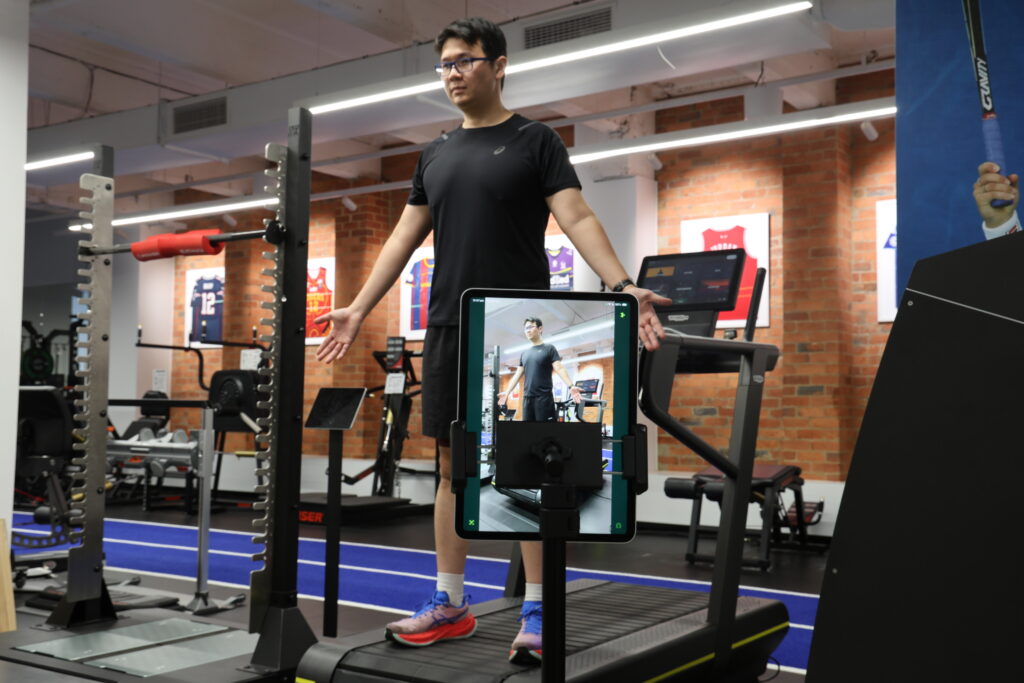
Runner having his posture captured at the start of a running assessment at Melbourne CBD Physiotherapy and Sports Medicine

Frequently Asked Questions

Assessment & Treatment at Our Clinic

We begin with a comprehensive subjective and objective physical assessment to confirm the type and severity of your hamstring injury. We then utilise our state of the art facility, encompassing Keiser pneumatic equipment, Kineo intelligent load machines and VALD technology, to objectively measure hamstring strength, including eccentric strength, and to guide exactly how we load and progress the injury. Progressive strengthening of the hamstrings and the whole posterior chain, combined with a structured, criteria based return to high speed running and sprinting, is the foundation of recovery and the most effective way to reduce the high risk of re-injury, and we confirm your readiness with objective strength and running testing.

Your Hamstring Physiotherapist — Nick Cross

Your hamstring rehabilitation is led by a clinician with genuine expertise in this area:

Nick Cross

Nick CrossClinical Director | Sports & Exercise Physiotherapist

Nick is a Consultant APA Sports and Exercise Physiotherapist, exercise physiologist and sports scientist. He is trusted by Olympic and world champion track and field athletes and elite footballers to manage hamstring and tendon injuries, and has led tendon research at La Trobe University since 2020. His rehabilitation is grounded in current evidence and objective strength testing.


Book Now

Book an appointment today

MELBOURNE CBD PHYSIOTHERAPY AND SPORTS MEDICINE CLINIC

Our team look forward to working with you to help achieve your goals 

Frequently asked questions

There is no single best exercise. Progressive strengthening that includes eccentric loading, combined with a graded return to high speed running, is the most effective approach, and it should be tailored to your injury, your sport and your objective strength test results rather than applied as a generic program.

Hamstring injuries have one of the highest recurrence rates of any injury, usually because athletes return to sprinting before hamstring strength, particularly eccentric strength, and high speed running capacity have been fully restored. Our objective testing identifies these deficits so you return only when genuinely ready.

There is no single best exercise. Progressive strengthening that includes eccentric loading, combined with a graded return to high speed running, is the most effective approach, and it should be tailored to your injury, your sport and your objective strength test results rather than applied as a generic program.

Not always. A thorough clinical assessment is often enough to diagnose and begin treating a hamstring injury. Where a significant tear is suspected or the diagnosis is unclear, we can arrange imaging through our on site sports and exercise medicine doctors.

OUR AFFILIATIONS